


A trial introductory flight Perth is not a scenic tour; it is the first formal entry in a professional pilot logbook. You likely recognise that aviation requires a high level of discipline, yet the distinction between a "joy flight" and a structured lesson can often feel blurred by marketing jargon. It’s natural to seek clarity on how your initial time in the cockpit aligns with Civil Aviation Safety Authority (CASA) standards before committing to a full training syllabus.
This guide details how a TIF at Jandakot Airport functions as the technical starting point for your Recreational Pilot Licence (RPL) or Commercial Pilot Licence (CPL). We’ll explain the regulatory framework that allows this flight time to count toward the 25-hour minimum required for an RPL, ensuring your first experience is educationally productive. By reviewing the specific training pathways and professional expectations of the industry, you’ll gain a clear understanding of the financial and logistical requirements necessary to progress from a curious observer to a qualified pilot in a high-standard environment. This structured approach ensures that your introduction to flight is grounded in the realities of professional aviation training.
Key Takeaways
- Understand the regulatory distinction between a recreational joy flight and a TIF conducted under formal CASA Part 61 training standards.
- Discover why the high-traffic environment of Jandakot Airport provides the ideal technical foundation for your trial introductory flight perth.
- Identify how instruction from ex-airline captains and specific aircraft selection can influence the quality of your early pilot training.
- Clarify essential logistical requirements, including mandatory identification and age restrictions, to ensure your flight time is legally loggable.
- Map the professional pathway from your first lesson toward achieving a Recreational Pilot Licence (RPL) or a Commercial Pilot Licence (CPL).
Table of Contents
Understanding the Trial Introductory Flight (TIF) in Perth
A trial introductory flight perth is the legal prerequisite for any individual intending to pursue formal flight training in Australia. Under the Civil Aviation Safety Authority (CASA) Part 61 regulations, a TIF is classified as an instructional flight rather than a commercial air transport operation. This distinction is critical. It ensures the flight is conducted by a qualified instructor within an approved Part 141 or Part 142 flight training organisation. You aren’t just a passenger; you are a student pilot on your first official lesson.
Jandakot Airport serves as the primary base for this professional experience. As one of Australia’s busiest airfields and largest aviation training hubs, it provides a complex operational environment that mirrors the standards required for a professional career. Operating from a controlled aerodrome introduces you to air traffic control (ATC) procedures and disciplined ground operations from day one. This high-standard environment is essential for those who eventually aim to hold a Commercial Pilot Licence (CPL).
The Purpose of a TIF for Aspiring Pilots
A TIF allows you to assess your personal aptitude in a high-consequence environment. It isn’t merely about the view; it’s about evaluating the physical and mental demands of managing an aircraft’s primary controls. You’ll observe how an instructor manages the cockpit and determine if the academy’s training culture aligns with your long-term goals. It’s a two-way evaluation where you audit the academy’s standards as much as you test your own interest in the cockpit environment. This initial assessment helps you decide if you’re ready for the commitment of a Recreational Pilot Licence (RPL).
TIF vs. Joy Flights: Key Differences
The primary difference between these experiences lies in the level of engagement and the regulatory outcome. In a joy flight, you are a passive observer. In a trial introductory flight perth, you are an active participant in a structured curriculum. Key differences include:
Technical Briefing: You receive a formal briefing on safety, aerodynamics, and the primary effects of controls before you ever reach the tarmac.
Hands-on Control: Under instructor supervision, you will take the controls during taxiing and straight-and-level flight.
Loggable Flight Time: The duration of your TIF is legally recorded in a pilot logbook. This time counts toward the minimum hour requirements for a Private Pilot Licence (PPL) or other higher qualifications.
By the end of the session, you’ll have a clear understanding of the aircraft’s handling characteristics and the instructor’s teaching methodology. This professional approach ensures that your first entry into aviation is built on a foundation of technical accuracy and regulatory compliance.
Technical Components of a Professional TIF Experience
A professional trial introductory flight perth follows a structured syllabus designed to introduce the fundamental principles of flight. Unlike a casual flight experience, this lesson is governed by strict instructional standards that ensure every minute in the cockpit contributes to your development as a pilot. The session is divided into three distinct phases: the pre-flight briefing, the practical flight sequence, and the post-flight debriefing.
The Pre-Flight Briefing Syllabus
Ground instruction is the foundation of any flight lesson. Your instructor will provide a technical overview of the four forces of flight: Lift, Weight, Thrust, and Drag. Understanding how these forces interact is essential before you take control of the aircraft. You will also be introduced to the "Six Pack," the primary group of flight instruments found in most training aircraft, which includes the Airspeed Indicator, Altimeter, and Attitude Indicator.
Safety protocols are a priority during the briefing. You will learn the specific procedures for operating on the Jandakot apron and taxiways. This includes maintaining situational awareness around other moving aircraft and understanding the importance of following Air Traffic Control (ATC) instructions. This phase ensures you are mentally prepared for the transition to the cockpit environment.
Hands-On Cockpit Experience
The practical component of a trial introductory flight perth begins with the engine start and taxiing procedures. Under instructor guidance, you will use the rudder pedals to steer the aircraft on the ground. Once cleared for take-off, you will observe the transition to flight before taking the controls to maintain straight-and-level flight. Key manoeuvres you will experience include:
Primary Control Effects: Discovering how the control column manages pitch and roll, and how the rudder controls yaw.
The Lookout Protocol: Implementing the "clear left, centre, right" scan to maintain safety and traffic separation.
Situational Awareness: Learning to monitor flight instruments while maintaining a visual reference with the horizon.
Instruction focuses on the practical application of the aerodynamic theories discussed earlier. You aren’t just watching the instructor; you are actively managing the aircraft’s attitude and power settings. This hands-on approach is designed to validate your interest in a professional training environment, such as the aviation pathway programs offered at Jandakot.
The lesson concludes with a formal post-flight debriefing. Your instructor will review your performance, addressing your handling of the controls and your ability to follow procedures. This is also the time to discuss the next logical steps in your training, whether you intend to pursue a Recreational Pilot Licence (RPL) or a Commercial Pilot Licence (CPL). This professional review provides a realistic assessment of your aptitude for further flight training.
Evaluating TIF Providers: Beyond the Price Tag
Selecting a flight school for a trial introductory flight perth involves more than comparing hourly rates. Prospective students should evaluate the training organisation’s operational philosophy, the background of its instructional staff, and the technical standards of its fleet. Because a TIF is the foundation of your logbook, the professional environment in which it occurs directly influences your future safety and proficiency. For younger students looking to begin their journey during school breaks, an aviation school holiday program in Perth can provide a structured and career-focused introduction to the same professional standards before committing to a full training syllabus. If you are considering gifting this experience to someone special, our guide on choosing a flying lesson gift Perth explains how to identify flight training organisations that treat an introductory session as a serious step toward a pilot licence rather than a superficial joy ride.
Instructor Mentorship and Airline Readiness
The background of your instructor is the most significant variable in flight training. Learning from ex-airline pilots who have flown for major carriers like Cathay Pacific or Singapore Airlines provides a distinct advantage. These instructors bring a level of discipline and adherence to Standard Operating Procedures (SOPs) that isn’t always present in purely recreational environments.
By starting with a mentor who has reached the highest levels of the industry, you begin developing "airline habits" from your very first hour. This includes precise radio telephony, disciplined cockpit management, and a focus on threat and error management. For those aiming for a career, you can learn more about our airline pilot training to see how this mentorship continues beyond the initial flight.
Aircraft Suitability and Weight Limits
The type of aircraft used for your TIF impacts both the learning experience and the budget. Most schools utilise reliable trainers like the Cessna 152 or Cessna 172. The Cessna 152 is a two-seat aircraft often preferred for its cost-efficiency and handling characteristics, while the Cessna 172 is a larger, four-seat aircraft that offers more cabin space and stability.
Weight and balance are critical safety factors in aviation. Every aircraft has a Maximum Take-Off Weight (MTOW) and a specific centre of gravity envelope. You must provide your weight accurately before the flight so the instructor can calculate the aircraft’s performance. If a student’s profile exceeds the limits of a Cessna 152, they will likely be transitioned to a Cessna 172 to ensure regulatory compliance and safety.
Beyond the primary fleet, consider if the organisation utilises advanced training tools. The availability of high-fidelity A320 simulators indicates a commitment to professional-grade infrastructure. These tools allow for a seamless transition from basic flight manoeuvres to complex multi-crew coordination as you progress toward your Commercial Pilot Licence (CPL). High maintenance standards and a clean safety record are non-negotiable indicators of a reputable training provider.
Preparing for Your Flight at Jandakot Airport
Proper preparation ensures that your trial introductory flight perth is a productive learning experience rather than a logistical hurdle. Wingman Academies is located at Jandakot Airport, an active aerodrome that requires adherence to specific airfield protocols. Plan to arrive at least 20 minutes prior to your scheduled briefing to complete the necessary paperwork and familiarise yourself with the training facility. Parking is available on-site; however, the airport environment is busy, so stay within designated pedestrian zones when approaching the hangar.

Mandatory Documentation and Regulations
Documentation is a regulatory requirement under CASA Part 61. For a trial flight, you don’t need a CASA medical certificate; this is only required before your first solo flight. You must, however, present valid photo identification, such as a passport or Australian driver’s licence, to verify your identity for training records. While there is no upper age limit for a TIF, students must be at least 15 years old to fly solo and 16 years old to hold a licence. This flight time serves as a formal step toward Understanding the Recreational Pilot Licence (RPL) and its associated privileges.
What to Bring to the Flight School
Your attire must be functional and safe for a cockpit environment. Enclosed shoes are mandatory; they provide the necessary grip and tactile feedback for the rudder pedals. Wear comfortable, non-restrictive clothing that allows for a full range of motion during pre-flight inspections and while seated in the aircraft. High-quality sunglasses are essential for reducing glare at altitude, which is a key factor in maintaining a proper lookout and reducing eye fatigue.
If you intend to continue your training, you can purchase your first pilot logbook on the day to record your initial instructional hours. Managing your physical state is as important as your documentation. Eat a light meal and stay hydrated before arrival to mitigate the effects of motion sickness, which can occasionally affect newcomers during early manoeuvres. Photography is generally permitted during the cruise phase of the flight, but safety remains the priority. Always seek instructor approval before using a camera or phone in the cockpit. Following these steps ensures you are ready to focus on the technical aspects of the lesson.
Ready to start your training? Book your professional briefing at Wingman Academies to ensure your first lesson meets airline-entry standards.
Progressing from Your First Flight to an Airline Career
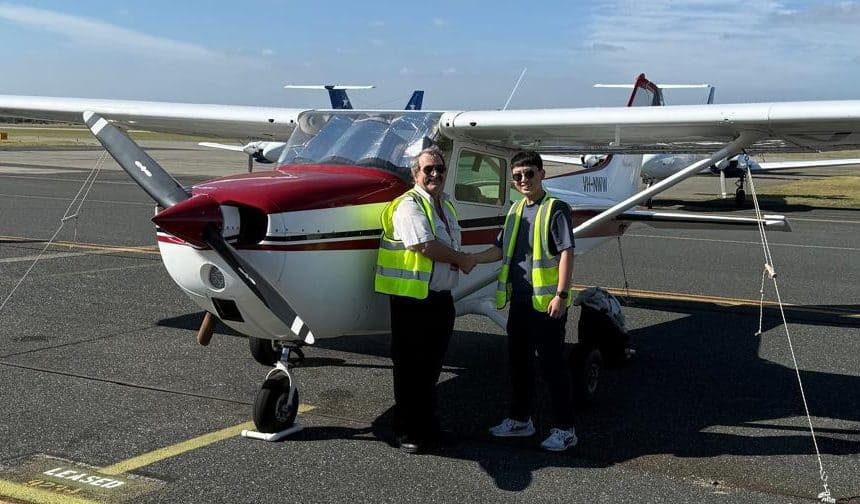
Completing a trial introductory flight perth provides the technical baseline required to map out a professional aviation career. Once the instructor has assessed your initial aptitude and you have validated your interest in a disciplined cockpit environment, the transition into a structured training programme begins. This pathway is not merely about accumulating hours; it is a methodical progression through regulatory milestones designed to meet Civil Aviation Safety Authority (CASA) standards and airline recruitment requirements.
The data gathered during your TIF informs whether you should initially pursue a Recreational Pilot Licence (RPL) or move directly toward a Private Pilot Licence (PPL). While an RPL requires a minimum of 25 flight hours and allows for local operations, the PPL requires at least 40 hours and permits wider navigation. For those targeting a career in the air transport category, these initial licences are the foundation for the Commercial Pilot Licence (CPL), which involves advanced flight manoeuvres and higher levels of operational proficiency.
The Training Pathway Post-TIF
The immediate focus following your trial introductory flight perth is the development of fundamental handling skills. You will progress through a syllabus that covers climbing, descending, turning, and stalling, leading toward the first significant milestone in any pilot’s career. Achieving your First Solo in Perth requires reaching a standard where your instructor deems you competent to manage the aircraft independently in the circuit area. This milestone usually occurs between 10 and 15 hours of total flight time, depending on individual progress and consistency of training.
Strategic Career Planning
Professional development at Wingman Academies extends beyond the aircraft cockpit. We integrate flight training with rigorous ground theory and simulator sessions to ensure students are prepared for the mental demands of the industry. Our mentorship model is specifically designed for airline cadetship readiness, utilising the expertise of ex-airline captains to instil professional habits early. This includes training in multi-crew cooperation and threat and error management, which are essential for modern airline operations. Students who wish to explore this professional environment before committing to a full programme may find that an aviation school holiday program in Perth offers an ideal structured entry point aligned with these same career-focused standards.
Aspiring pilots should also utilise specialised tools to bridge the gap between light aircraft and heavy jets. Incorporating A320 Simulator Training for aspiring airline pilots into your development programme allows you to familiarise yourself with glass cockpit environments and automated flight systems. This strategic approach ensures that by the time you reach your CPL flight test, you possess the technical skill and the professional mindset required by global carriers. Every hour logged from your TIF onwards is a deliberate step toward meeting the high standards of a global aviation career.
Commencing Your Professional Aviation Pathway
A trial introductory flight perth is the technical foundation for any individual serious about a career in the cockpit. By following a CASA-certified training syllabus, you ensure that your first hour of flight time is not only loggable but also aligned with the rigorous standards of global aviation. You’ve learned that the quality of your early instruction, particularly when guided by former Cathay Pacific and Singapore Airlines Captains, establishes the discipline required for future success in an RPL or CPL programme.
Operating from a high-traffic environment like Jandakot Airport provides you with immediate exposure to professional radio procedures and air traffic control protocols. This experience validates your aptitude and clarifies the logistical and financial requirements of your training journey. Transitioning from a novice to a student pilot requires a methodical approach and expert mentorship. Take the first step toward your professional objectives by choosing an environment that prioritises technical accuracy and safety.
Book your professional Trial Introductory Flight at Jandakot today and begin your training under the guidance of industry experts. We look forward to supporting your progression through the aviation ranks.
Frequently Asked Questions
Is a trial introductory flight in Perth worth the cost if I only want to fly for fun?
Yes, a trial introductory flight perth is highly valuable for recreational enthusiasts because it provides a structured introduction to aircraft handling rather than a passive observation. Even if your goal isn’t a career, the technical briefing and hands-on time allow you to experience the disciplined reality of aviation. This educational approach ensures you gain a genuine understanding of the aircraft’s primary controls and aerodynamic principles in a professional training environment.
Can I log the flight time from my TIF towards my pilot licence?
You can legally log the duration of your TIF in a pilot logbook as instructional flight time. Under CASA Part 61 regulations, this time counts toward the minimum hour requirements for a Recreational Pilot Licence (RPL) or Private Pilot Licence (PPL). It serves as the official first entry in your training record, provided the flight is conducted by a qualified instructor within an approved flight training organisation at a base like Jandakot.
Do I need any prior knowledge or experience before booking a trial flight?
No prior aviation knowledge or flight experience is required before your first lesson. The session includes a comprehensive pre-flight briefing where your instructor explains the primary effects of controls, safety protocols, and basic aerodynamics. You only need to arrive with a willingness to follow technical instructions and maintain situational awareness. All necessary training materials and safety equipment are provided by the academy on the day of your flight.
What happens if the weather in Perth is unsuitable for my scheduled flight?
Safety is the primary consideration, and flights are rescheduled if weather conditions don’t meet Visual Flight Rules (VFR) requirements. If visibility is poor, cloud ceilings are too low, or crosswinds exceed safety limits at Jandakot, the lesson will be postponed. Instructors monitor Bureau of Meteorology (BOM) aviation forecasts closely. You’ll be contacted to arrange an alternative time, ensuring your training occurs in a stable and productive environment.
Are there weight or height restrictions for students taking a TIF at Jandakot?
Technical restrictions apply based on the aircraft’s Maximum Take-Off Weight (MTOW) and centre of gravity limits. For a trial introductory flight perth in a Cessna 152, a weight limit of approximately 90kg often applies due to the aircraft’s two-seat configuration. Students exceeding this or those who are exceptionally tall may be transitioned to a Cessna 172. This larger aircraft offers increased cabin space and a higher payload capacity to ensure regulatory safety compliance.
Can I bring a friend or family member along during my trial introductory flight?
Passenger availability depends entirely on the aircraft type and weight and balance calculations. A Cessna 152 is a two-seat trainer and cannot accommodate passengers; however, a Cessna 172 has four seats and may allow a friend or family member to observe from the rear. This is always subject to the instructor’s discretion and the total weight limits of the aircraft. You must confirm passenger requirements at the time of booking to ensure aircraft suitability. If you are purchasing this experience as a present, our professional guide to selecting a flying lesson gift in Perth outlines the key factors to consider when choosing a voucher that meets CASA training standards.
What is the minimum age to take a trial introductory flight in Western Australia?
There is no formal minimum age to participate in a trial flight, though students should be of a height that allows them to reach the rudder pedals and see over the instrument panel. While you can experience a TIF at any age, CASA regulations state you must be at least 15 years old to fly solo and 16 to hold a licence. Starting early allows younger students to build a technical foundation before reaching these legal milestones.
How do I choose between a standard TIF and a trial aerobatic flight?
Your choice depends on whether you prefer a standard instructional syllabus or an introduction to advanced aircraft attitudes. A standard TIF focuses on straight-and-level flight, climbing, and turning, which is the baseline for an RPL or CPL. A Trial Aerobatic Flight (TAF) involves high-G manoeuvres like loops and rolls. If your goal is a professional career, a standard TIF is the recommended technical starting point for your training.
Disclaimer
Information is provided as general guidance only. Please contact Wingman Academies for current course information, pricing and CASA requirements.